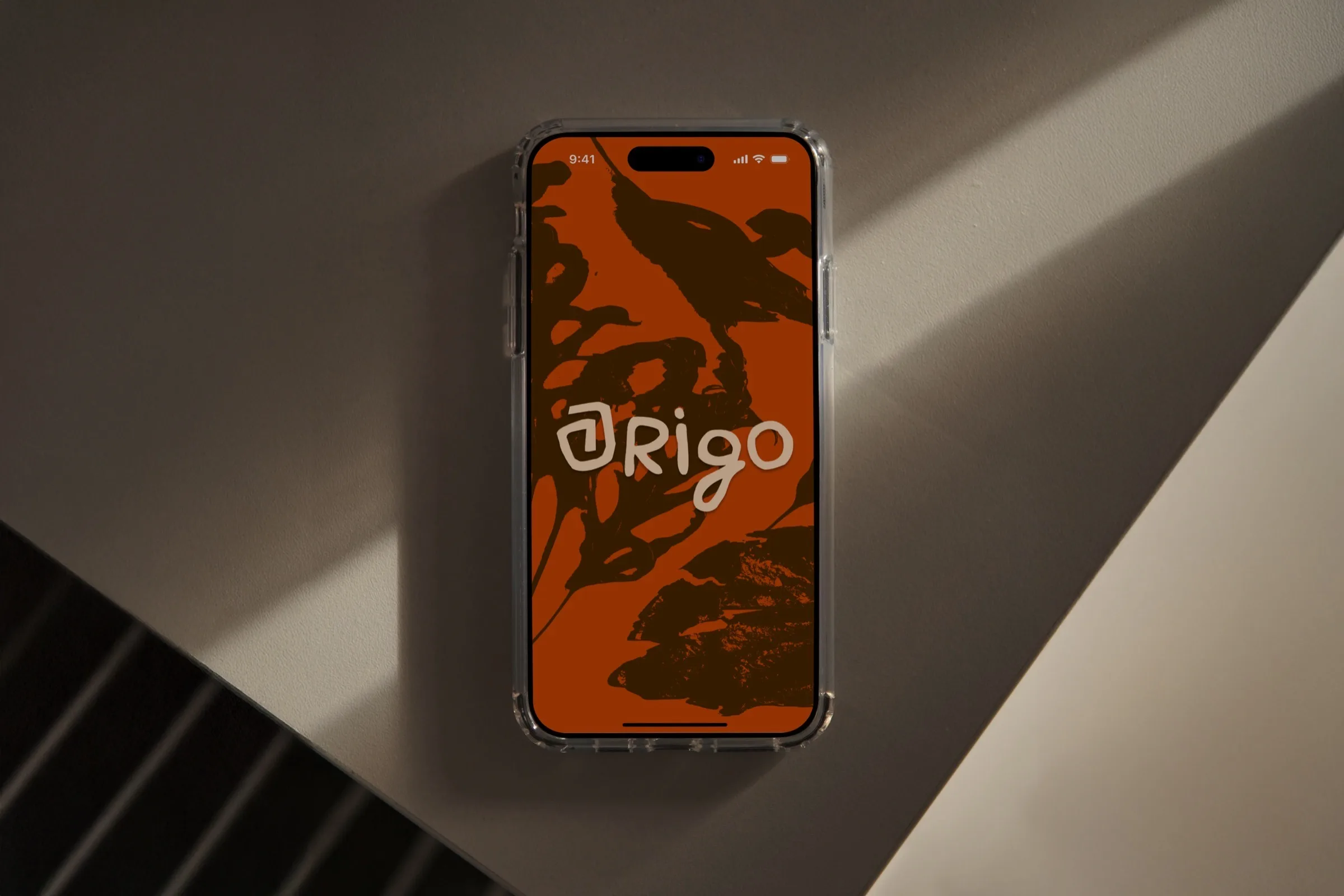


Origo case study hero

Origo is a tool designed to organize and record data collected during archaeological fieldwork, helping researchers document findings and create structured scientific records.

Through research, interviews, surveys, personas, and journey mapping with archaeologists, we uncovered a critical problem: documenting field work is complex and fragile. Remote sites are hard to reach, weather conditions are unpredictable, and relying on expensive equipment or paper means discoveries can be lost. But the most urgent issue was the artifacts themselves: once removed from the ground, these delicate objects begin to deteriorate immediately. Every minute between the excavation site and the study lab is a window for loss. The app brings descriptions, images, and location data together in one place, creating a structured record from the moment of discovery.

Design Process — Engage, Investigate, Act (4 Weeks)

Transforming field records into clear and organized data.

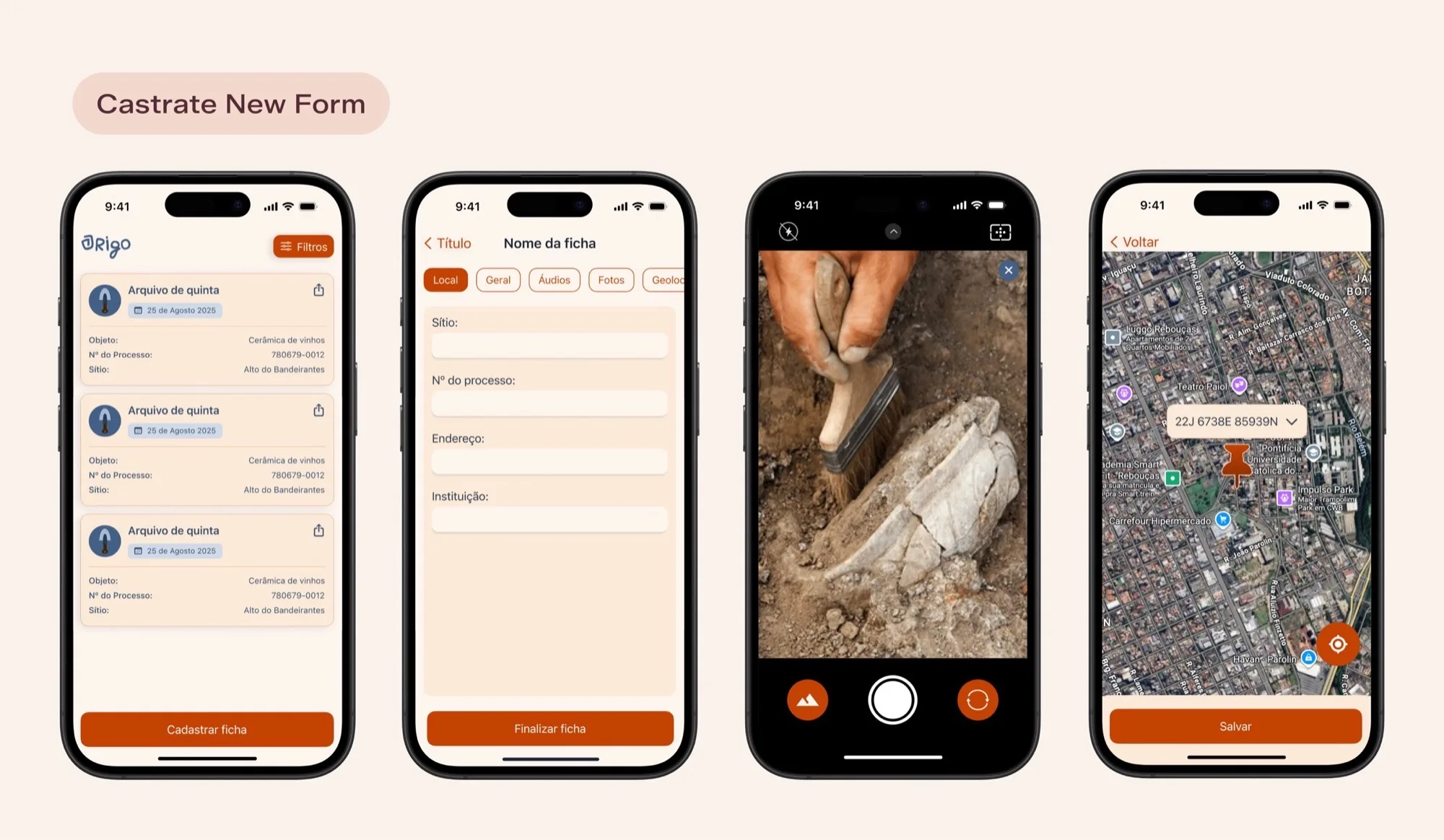
Origo was designed to centralize archaeological data recording in a single digital platform. The solution allows researchers to document findings, attach images, and structure information directly during fieldwork, making the documentation process faster and more organized.

Origo screens preview top
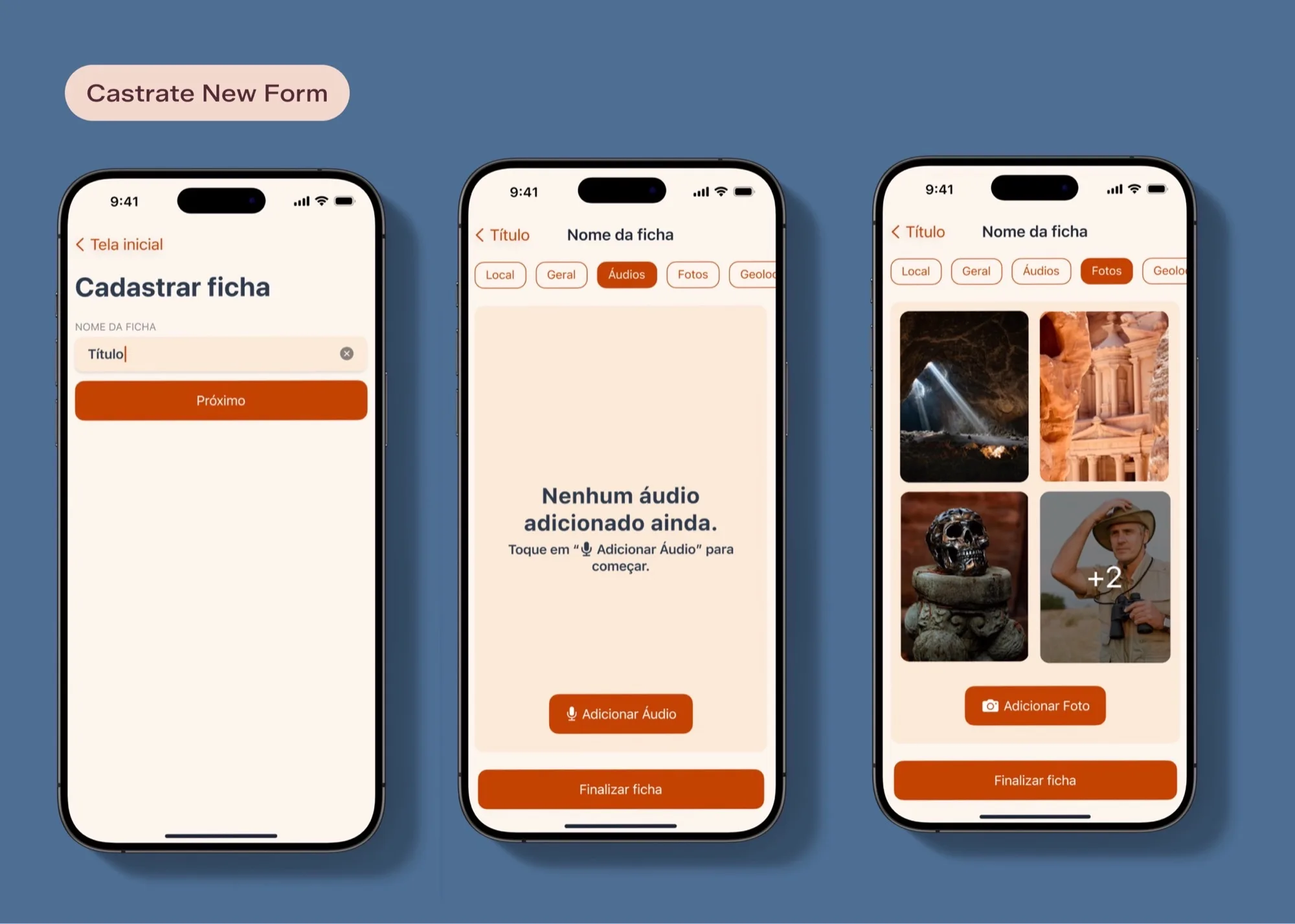
Origo screens preview bottom

Understanding fieldwork to design better tools.

The design process involved understanding researchers' needs and the workflow of archaeological fieldwork. Through interviews, surveys, personas, and journey mapping, we heard directly from archaeologists: "The soil preserves our history, and it is routinely destroyed." "Most existing archaeological sites have already been erased." These insights shaped the main system requirements: a simple, efficient interface that lets researchers document discoveries on the spot, before conditions, distance, or time cause irreversible loss.

Archaeological fieldwork

Simplifying the documentation and preservation of discoveries.

The result is a clear and functional interface designed to support researchers in the field, enabling structured documentation of archaeological findings and contributing to the preservation of historical heritage.

Final design — screens
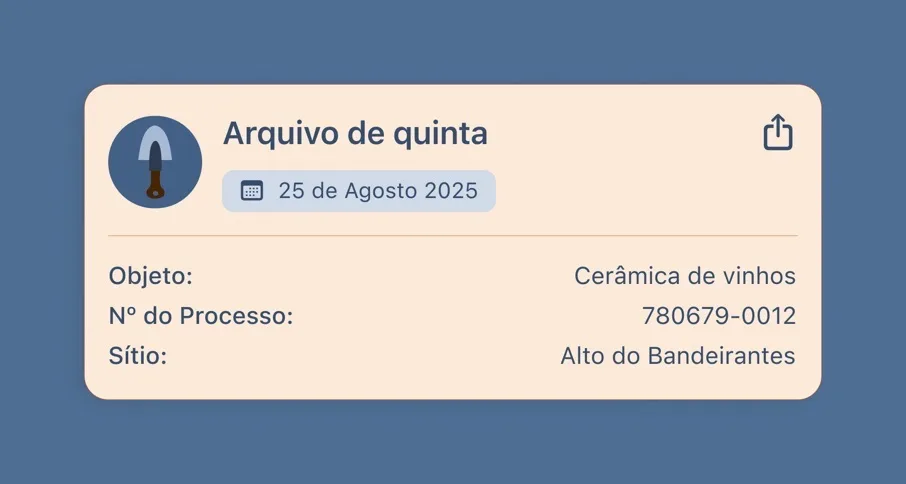
Origo card preview
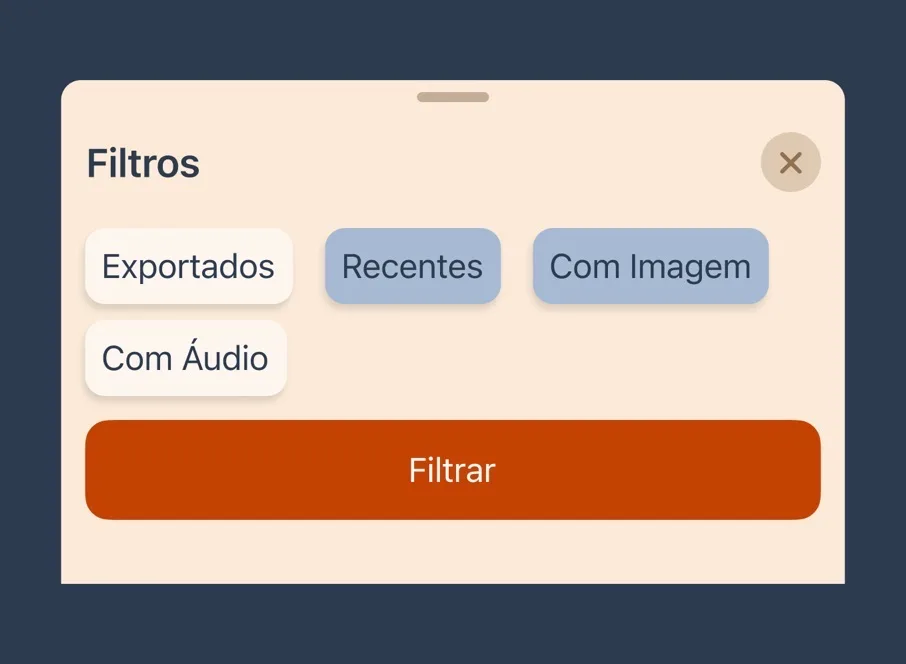
Origo bottom sheet preview
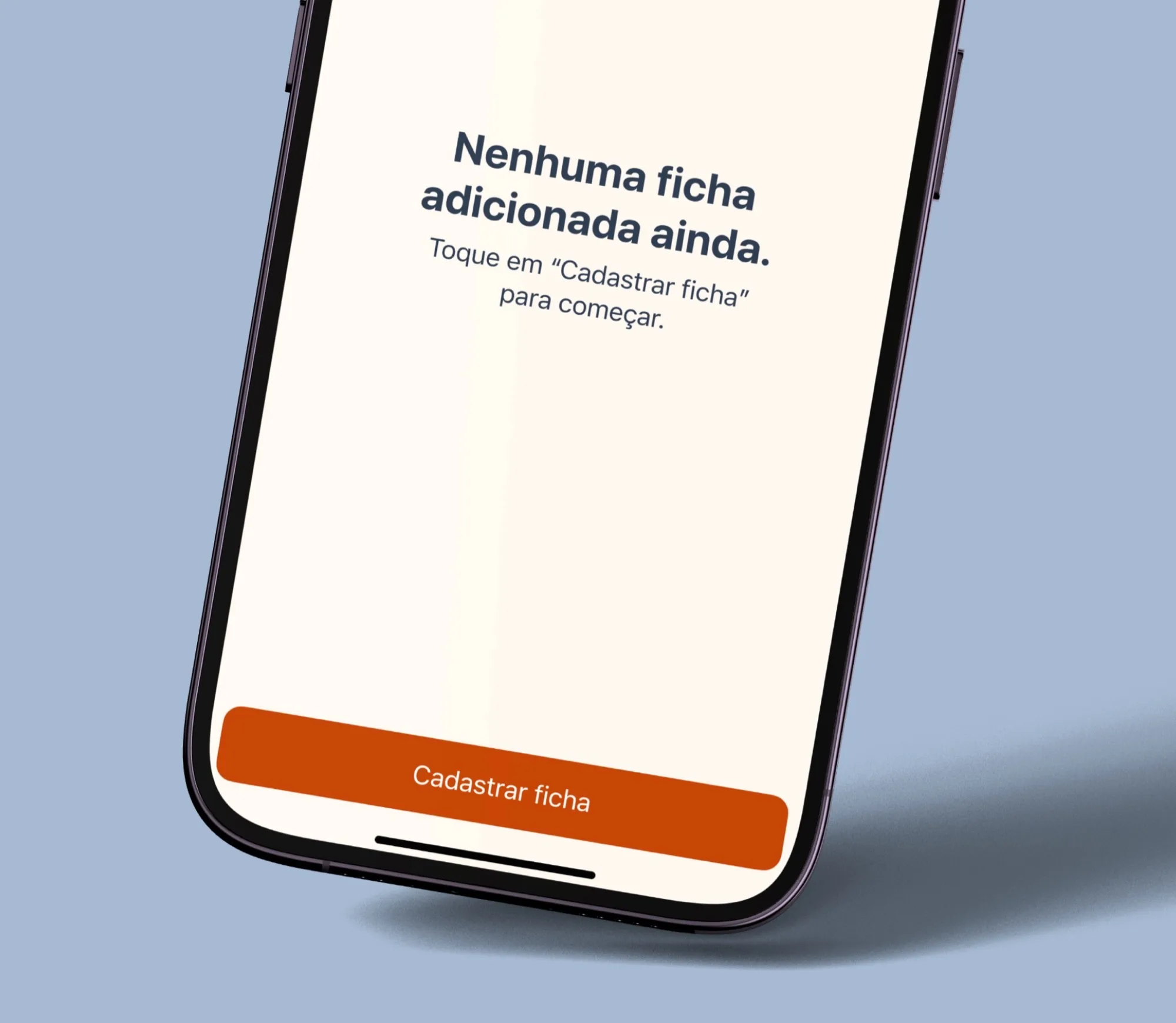
Origo mockup

Before Origo, researchers documented archaeological findings on paper forms and physical photos, organized manually back at the lab. The problem: once an artifact is removed from the ground, it begins to deteriorate immediately. Every minute without a structured record is a window for irreversible loss.

Key challenges we addressed:

  • Fragile, analog documentation: dependent on paper and equipment that couldn't always reach remote sites.
  • No single source of truth with images, descriptions, and location data scattered across separate places.
  • A workflow built around the lab, not the field, since existing tools weren't designed for outdoor, time-pressured conditions.

We aimed to enable:

  • On-site structured recording: Document findings, images, and location data in one place, from the moment of discovery.
  • Simplicity under pressure: An interface simple enough to use in the field, where focus belongs to the excavation.
  • Scientific traceability: Replace fragmented analog records with structured digital data from day one.